
 By
By 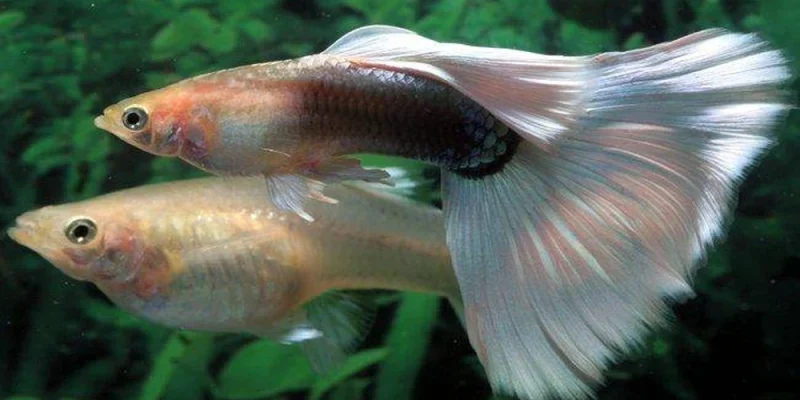
Deciding to buy guppies online rather than in person raises a fairly consistent set of questions. Here are honest answers to the ones that come up most often.
Is it safe to buy fish online at all?
Generally yes, provided the seller has experience shipping livestock and uses appropriate insulated packaging. Reputable specialist retailers have well-established processes for this and typically offer some form of guarantee against arrival issues.
How long can guppies survive in transit?
Most reputable sellers can safely ship guppies within 24 to 48 hours using insulated boxes and heat packs where needed, though shorter journeys are always preferable to minimise stress.
What should I do the moment fish arrive?
Float the sealed bag in your tank for around fifteen minutes to equalise temperature, then gradually mix in small amounts of tank water over a further period before releasing the fish, rather than tipping them straight in.
Can I choose specific individuals when buying online?
Some specialist sellers offering guppy strains allow buyers to select specific colour patterns or even individual fish from photos, though most online orders are fulfilled from general stock of the requested variety.
What if a fish arrives unwell?
Contact the seller immediately with photos and a description of the issue. Most reputable retailers offer a replacement or refund for livestock that arrives visibly unwell, provided you report it within a specified window, usually 24 to 48 hours.
Is online buying more expensive than local shops?
Prices are often comparable once shipping is factored in, though online sellers frequently offer rarer colour strains simply not available locally, which can justify the modest additional cost for keepers after something specific.
Should my tank be ready before I order?
Yes. A tank needs two to four weeks to cycle properly, and ordering fish before that process is complete puts unnecessary strain on the animals the moment they arrive.
How do I know a seller is reputable?
Clear information about water parameters, shipping practices, and guarantee policies, along with responsive communication before purchase, are all good signs. Vague or evasive answers to straightforward questions are worth taking seriously.
How often should the tank be cleaned?
A full teardown clean is rarely necessary for a tank of guppies and can actually disrupt the beneficial bacteria a tank relies on. A weekly partial water change of around 25 percent, combined with light gravel cleaning, is generally sufficient to keep water quality stable without unnecessarily stressing the fish.
Is it normal for colour to fade after a stressful event?
Yes, to some extent. A fish that’s been stressed by transport or a sudden change in water conditions can appear temporarily duller than usual, and colour typically returns over the following one to two weeks as the fish settles and stress hormones subside.
What’s the biggest mistake new keepers make?
Skipping the tank cycling process is consistently the most common and most damaging mistake with guppies. It’s tempting to buy the fish first and sort the tank out afterwards, but doing so exposes new stock to exactly the ammonia and nitrite spikes that a properly cycled tank is designed to prevent.
Underestimating how quickly a mixed-sex group multiplies is the second most common surprise for new keepers. A single pregnant female arriving unnoticed in a batch of stock can result in dozens of fry within a matter of weeks, so it’s worth planning for that possibility even if breeding wasn’t the original goal.
How should I transport new fish home?
Keep the journey as short and direct as possible, since a small bag of water changes temperature quickly. Once home, float the sealed bag in your tank for around fifteen minutes before gradually mixing in tank water, rather than releasing guppies straight into unfamiliar conditions.
Will every fish have the same personality?
No, and this is one of the more enjoyable surprises for new keepers. Some individuals are bold and inquisitive from day one, while others take a couple of weeks to become confident, and both patterns are entirely normal.
Do I need an air pump as well as a filter?
Generally not essential. guppies do well with a gentle filter alone, and adding an air pump mainly matters in densely stocked tanks or during warmer months when dissolved oxygen levels naturally drop.
Is it worth quarantining new fish before adding them to an established tank?
Yes, where practical. A short quarantine period of one to two weeks in a separate, simple setup allows any underlying illness to surface before it has a chance to spread to an established community, and is a habit worth building even though it adds a little extra equipment and patience to the process.
Can I keep just females to avoid breeding altogether?
Yes, and it’s a popular choice for keepers who want the colour and activity of guppies without ongoing fry management. A female-only group avoids breeding entirely while still displaying plenty of natural behaviour and interaction.
Should I get advice from a specialist before buying?
It’s rarely necessary for straightforward cases, but if you’re unsure about tank size, water parameters, or compatibility with other fish, a specialist retailer is generally well placed to answer specific questions before you commit to a purchase.
Is it worth keeping a spare heater or filter part on hand?
It’s a sensible precaution rather than a strict necessity. Equipment failure is uncommon but not impossible, and having a spare thermometer or filter part ready means a problem can be fixed quickly rather than leaving guppies exposed to unstable conditions for longer than necessary.
How quickly will a new tank feel fully settled?
Most keepers find that a tank of guppies feels genuinely settled within four to six weeks of the fish being introduced, once the initial cycling period has passed and the fish have had time to establish a stable routine and social hierarchy among themselves.
Can I add live plants to the same tank?
Yes, and it’s generally a good idea for guppies. Live plants provide cover, mild water quality benefits, and a more natural environment overall, with hardy options like java fern and floating plants requiring minimal additional care.
How do I know if my group size is right for the tank?
A general guideline is roughly one to two centimetres of adult fish length per litre of water for lightly stocked community tanks, though a slightly more conservative approach tends to produce better long-term water quality and health.
Will my fish recognise me over time?
Many keepers report that guppies learn to associate them with feeding time, becoming more active and swimming toward the front of the tank when approached. This is a learned response to routine and movement rather than recognition in a complex sense, but it does make for a noticeably more engaging pet than many people expect.
Is it normal for activity levels to change with the seasons?
Yes, to some extent. Fish often appear slightly less active during darker winter months even with a stable heater, likely responding to shorter daylight hours, and this is generally nothing to worry about provided appetite and colour remain otherwise normal.
How much does care change as a tank matures?
The core requirements for guppies stay largely the same, but a matured tank with established plants and a stable nitrogen cycle generally needs less intensive monitoring than a newly set up one. Many experienced keepers find their routine actually becomes simpler over time as the tank finds its own natural balance.
Is it worth joining a fishkeeping community or forum?
Many new keepers find real value in connecting with more experienced hobbyists, whether through local clubs or online communities, particularly for troubleshooting specific issues or getting a second opinion on a borderline health concern.
Does keeping fish get easier with experience?
Yes, considerably. Most of the anxiety new keepers feel around guppies comes from uncertainty about what’s normal, and that uncertainty fades quickly with a few months of regular observation and a handful of routine water changes under your belt.
What’s the single most useful habit for a new keeper to build?
Consistency in a simple weekly routine, covering water changes, a visual health check, and equipment maintenance, matters more than any individual piece of specialist knowledge, and is the habit most experienced keepers point to as the real foundation of long-term success.
Is there a single resource worth trusting most?
No single source, including this one, should replace direct observation of your own guppies over time. Care guides provide a solid starting framework, but the specific conditions of your tank, water, and routine will always shape the details in ways worth paying attention to as you gain experience.
Any final advice for someone just starting out?
Take it slowly, resist the urge to add too much too soon, and trust that the effort put into guppies early on pays off many times over across the following months and years.
Buying online opens up considerably more variety than most local shops can offer, and with a little preparation on the receiving end, it’s a genuinely reliable way to source healthy, well-conditioned stock.




Comments