
 By
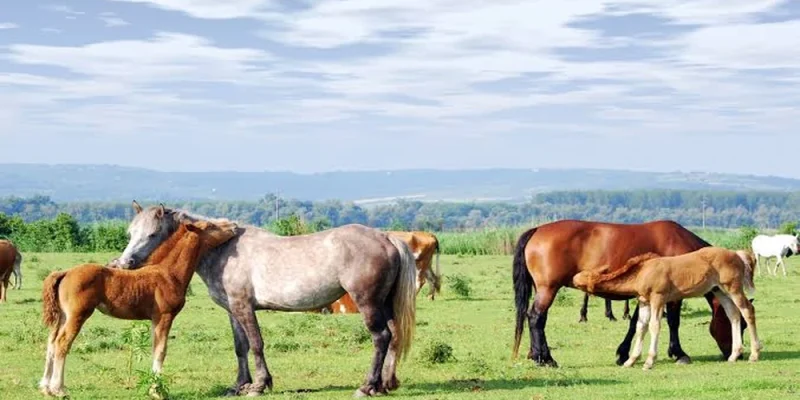
Owning a horse in Australia takes more than hay, a good ride and the odd visit from the vet. Somewhere suitable to live matters just as much, especially for owners with a suburban block and no room for a paddock. Agistment fills that gap, letting owners keep their horses on private farms or professionally run properties. A teenager who has saved for years to buy a first pony often discovers this the week the horse arrives. With so many setups on offer across the country, knowing how agistment works makes the choice far easier.
Understanding Horse Agistment in Australia
In simple terms, agistment is a deal where a landholder offers grazing, shelter or facilities to a horse that isn’t theirs, in return for an agreed fee. No two arrangements look quite the same. The property, its location and the services included can shift the picture a fair bit.
Some places offer paddock agistment, which usually means a grazing area and a basic shelter to duck under. Others go further, with stables, private yards, set feeding times and extra care on top. Full care can cover daily feeds, rug changes on a frosty morning, mucking out and a watchful eye throughout the day. Self-care leaves most of the work with the owner, who might be out with a bucket at six before heading to the office.
Which option suits best comes down to the horse and the person who owns it. A nervy thoroughbred, an older gelding with a bad hoof or a horse in daily work will each need something different. The owner’s spare time matters just as much.
Factors to Consider When Choosing an Agistment Property
Picking the right property is worth taking slowly. Good pasture sits near the top of the list, since decent grazing does a great deal for a horse’s health and condition. Sturdy fencing, a water supply that won’t run dry and enough shade for a scorching February afternoon also deserve a close look. A single broken rail can mean a phone call at midnight.
The state of the stables, yards, arenas and shared areas tells its own story. A horse with a special diet or an ongoing health issue may need a property set up for that kind of care. Not every farm can manage a horse that needs soaked hay twice a day.
Location matters too. A property near home or work makes regular visits far more realistic, especially after a long day. Easy access to vets, farriers, feed stores and good roads for the float can also tip the balance when comparing options.
Before signing anything, owners do well to pin down exactly what each week’s or month’s bill actually pays for. It helps to know which jobs stay with them and whether extras such as worming or hard feed cost more. Surprises on an invoice rarely go down well.
The Importance of Clear Agistment Agreements
Putting the deal in writing saves a lot of grief. A good agreement sets out how payments work, who handles feeding, which facilities can be used, how vet care is arranged and what happens in an emergency. Nobody wants to be working that out while a horse is colicking at two in the morning.
The Australian weather adds its own twist. Drought, floods and heatwaves can strip a paddock bare or make outdoor living unsafe. Owners and property managers are wise to talk through how they’d cope, and what backup plans might be needed, long before the creek starts rising.
Plain, regular conversation heads off most misunderstandings. It also keeps animal welfare at a steady standard from the first day to the last.
Horse Agistment Opportunities Across Queensland
Queensland gives horse owners plenty to choose from. The options run from sprawling rural properties with acres of grazing to dedicated equestrian centres with arenas, stables and space for training. A dressage rider near Brisbane and a stockhorse owner out west may end up with very different setups.
Spaces come and go depending on the region and the time of year. Some properties are full for months, while others open up as the seasons change, horses move on or management needs shift. A spot that’s taken in spring might be free by winter.
Anyone weighing up Horse Agistment in Queensland gets the best result by comparing properties on location, type of accommodation, services on offer and how well each suits their own horse. Price is only part of the picture. The cheapest paddock can turn out to be the costliest if the fences keep failing.
How Digital Tools Can Help Agistment Providers
Hunting down a spare paddock has long meant ringing round properties, scanning the noticeboard at the local feed store and asking friends at pony club. It can eat up weeks, especially for someone moving to a new region in a hurry.
The free Horse Agistment Finder offers a fresh way around that problem. The online tool helps owners track down agistment properties, and it gives operators a place to share details about their services and any spaces they have. It’s a bit like a noticeboard that never runs out of drawing pins.
Barns and agistment providers can save a great deal of time by keeping vacancy details up to date. Instead of answering the same “any room?” question on the phone a dozen times a week, a property can simply show whether it has space. Owners can then spot a promising match before picking up the phone to talk details.
Online listings also let people weigh up different setups, locations and facilities side by side. Even so, anyone interested still needs to ring or email the property to confirm current spaces, fees and care arrangements. A listing from last month may already be out of date.
Supporting Responsible Horse Ownership
Good agistment is a cornerstone of horse life in Australia. It gives owners access to the land and facilities their horses need, while landholders put spare acres to good use. A retired farmer with an empty back paddock can end up with both an income and some cheerful company.
Choosing carefully, keeping agreements open and talking regularly are still the backbone of any arrangement that lasts. Online agistment directories now put the information within easy reach, so the search can feel far more organised for owners and property operators alike. Fewer wasted weekends driving between farms are a welcome bonus.
In the end, the right arrangement is the one that looks after the horse properly while giving everyone clear expectations and a fair share of the work. A happy horse and a calm owner are the surest signs it’s working.









Comments