
 By
By 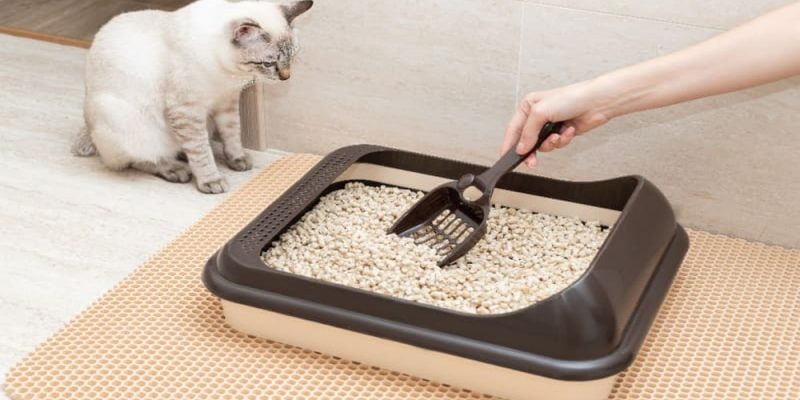
Cat diarrhoea is the more frequent passing of loose, watery or unformed stool than the usual. This is an indication that there is something that disrupts the normal digestive action in the bowels. This guide will provide the answers to frequent questions regarding causes, symptoms, treatment and nutrition management of feline diarrhoea.
Explaining about diarrhoea in cats
What is diarrhoea in cats?
Diarrhoea in cats (猫 うんち ゆるい) refers to the rapid passage of the waste through the intestines and failure to absorb the normal water. The outcome is either loose or liquid stool that can be accompanied by a higher frequency or urgency. Acute diarrhoea is short lived, taking a few days, whilst chronic diarrhoea takes over two or three weeks.
What are the symptoms of diarrhoea in cats?
Loose or watery stool is the main symptom although other symptoms can always be encountered in case of disturbance in the digestive system. The owners can observe that their cat makes an effort to strain the litter box, passing mucus or blood, they make more frequent visits.Watch out on the symptoms of dehydration: gums that are dry, eyes that are sunken, fatigue or skin that is tented even when pulled.
Home treatment of diarrhoea in cats?
In mild cases, in otherwise healthy adult cats, it is as effective to deny diet to the intestines of the cat over a period of twelve to twenty-four hours. Give fresh water continuously to avoid dehydration, and a bland diet the next two or three days. Do not stint water, do not deny food to kittens or old cats unless advised by a veterinary surgeon.
What will occur in a cat diarrhoea at a veterinary?
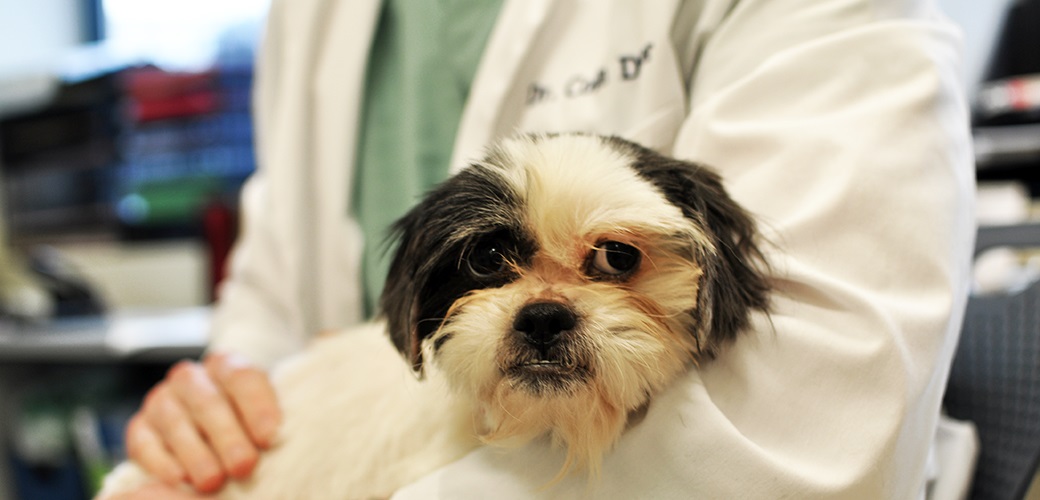
The vet examines the physical condition, accessing the dehydration, pain, and masses in the abdominal zone. Examination can involve fecal analysis of parasites and blood tests to ascertain the functionality of organs and X-rays or ultrasound to eliminate obstructions. The underlying disease leads to treatment which can involve replacement of the fluids, one, several anti-nausea drugs, probiotics, dewormers or antibiotics.
Do cats get diarrhoea due to stress?
Yes, sensitive cats respond to stress brought about by travel, new pets, construction noise, or change of routine by developing diarrhoea. Even the good stressors such as vacationers or new furniture may disturb the digestive system of a cat. Predictable routines, hiding places, and pheromone diffusers are some of the ways that reduce stress levels and thus avoid diarrhoea caused by stress.
What makes cats diarrhoea?
The food changes are one of the leading causes; a change in food without a gradual transition will upset the stomachs of many cats. Acute diarrhoea is also precipitated by eating scraps of food at table, eating garbage and rotting food.
What does yellow cat diarrhoea mean?
The yellow stool may be the indication of the rapid passage of the food, though it may also indicate liver or gallbladder issues. The greenish stool could indicate that food is passing in the intestines at a very high rate. Bright red or dark tarry bloody stool is always an emergency emergency to the veterinary.
What role do probiotics play in cat diarrhoea?
Probiotics also add healthy bacteria which assists to reestablish a healthy balance of microbiome in the gut of the cat. Such supplements can reduce the length of diarrhoea and prevent its recurrence in chronic diarrhoea. Always make use of probiotic products that are developed and suggested by veterinarians and are cat specific.
Summary
Simple dietary management and time tend to relieve most cases of cat diarrhoea. Nonetheless, continuing diarrhoea, bloody raised bowel, or lethargy and vomiting may be a cause of a veterinary visit. Appropriate nutrition and parasite control will do much to maintain the health of cat digestive systems.







Comments